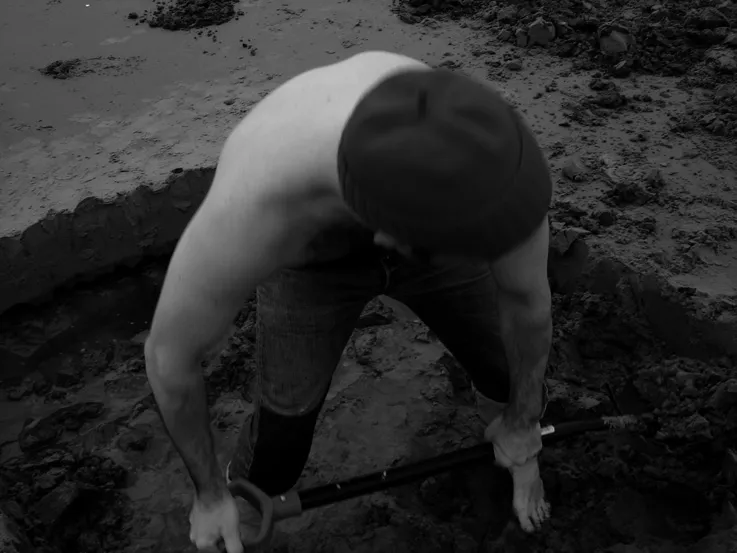
Diplomate on Trial 1
Diverse Universe 1, The Baltic Sea, Pärnu, Estonia
Diplomate on Trial, 2005. Diverse Universe 1, The Baltic Sea, Pärnu, Estonia.
Diverse Universe 1, The Baltic Sea, Pärnu, Estonia
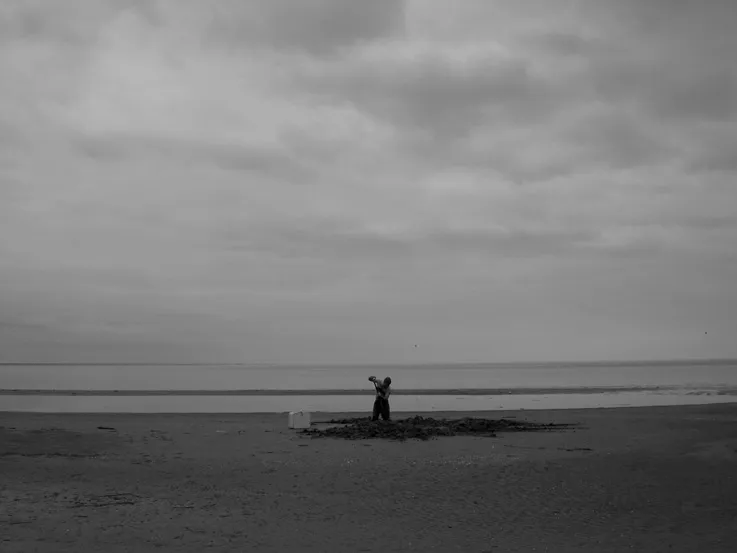
Diverse Universe 1, The Baltic Sea, Pärnu, Estonia
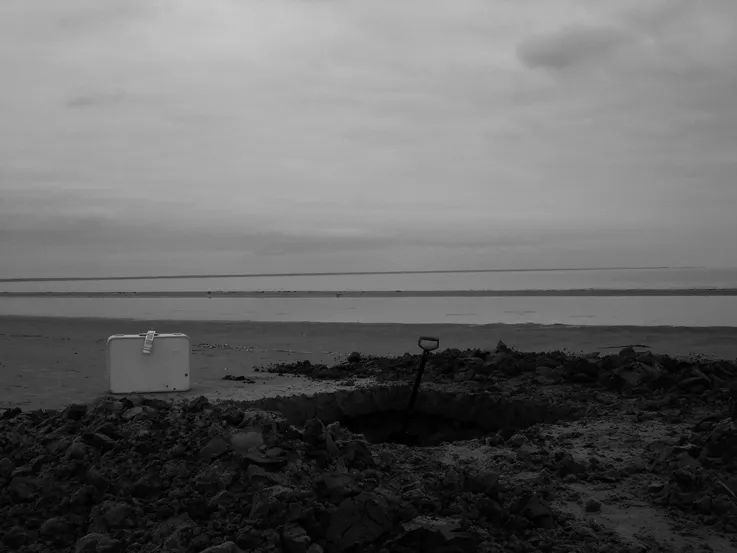
Diverse Universe 1, The Baltic Sea, Pärnu, Estonia
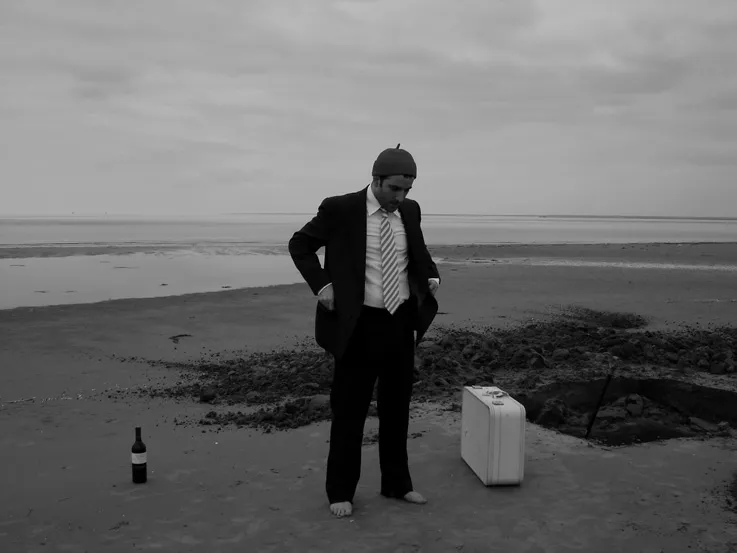
Diverse Universe 1, The Baltic Sea, Pärnu, Estonia
Frozen, 2000. Collaboration avec Lance McLean. TTC, Toronto Transit Commission. York University Campus, Toronto. Documentation visuelle: Natascha Niederstrass.
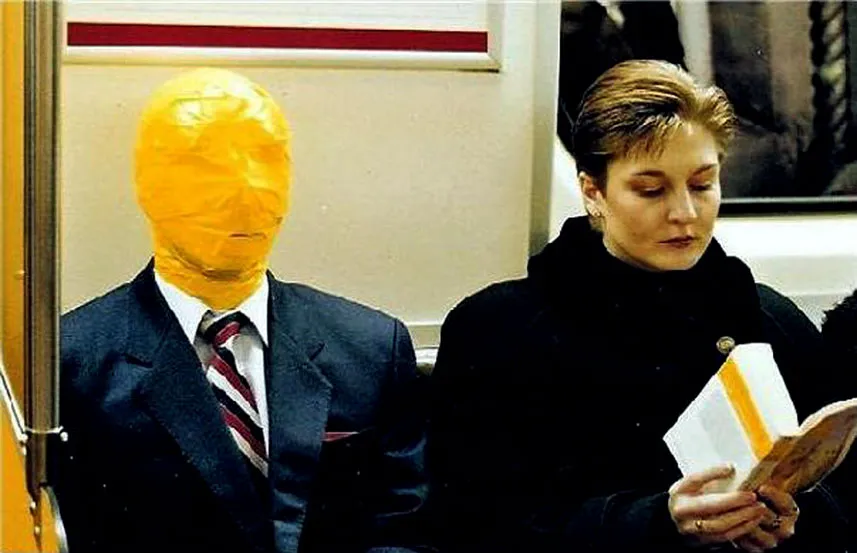
Collaboration avec Lance McLean.
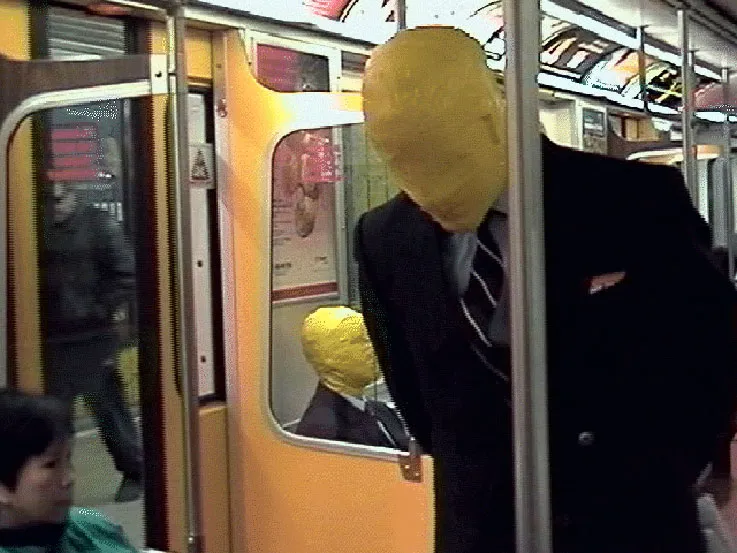
Collaboration avec Lance McLean. TTC, Toronto Transit Commission.
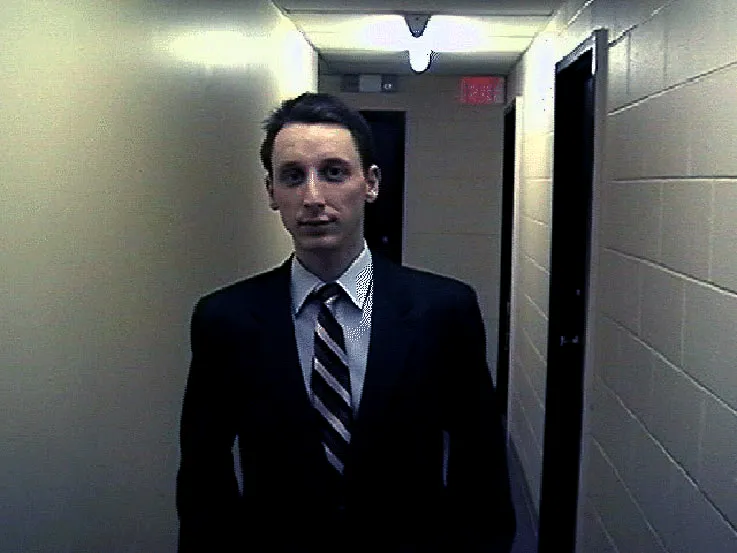
Collaboration avec Lance McLean. York University Campus, Toronto.
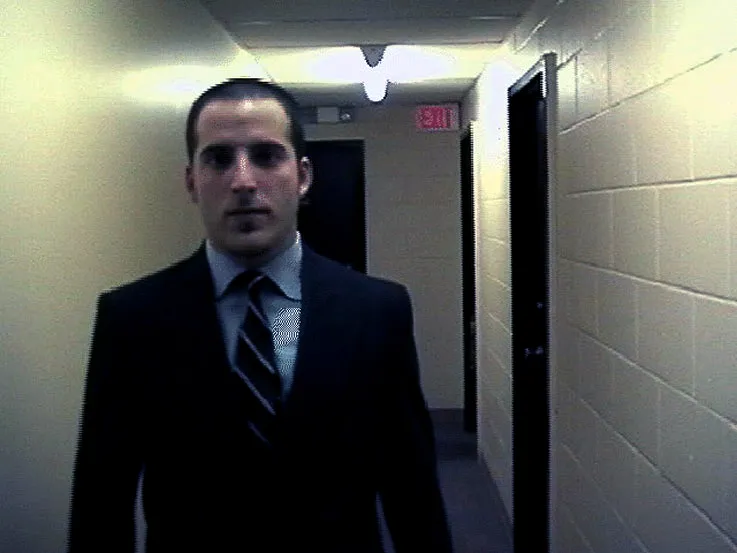
Collaboration avec Lance McLean. York University Campus, Toronto.
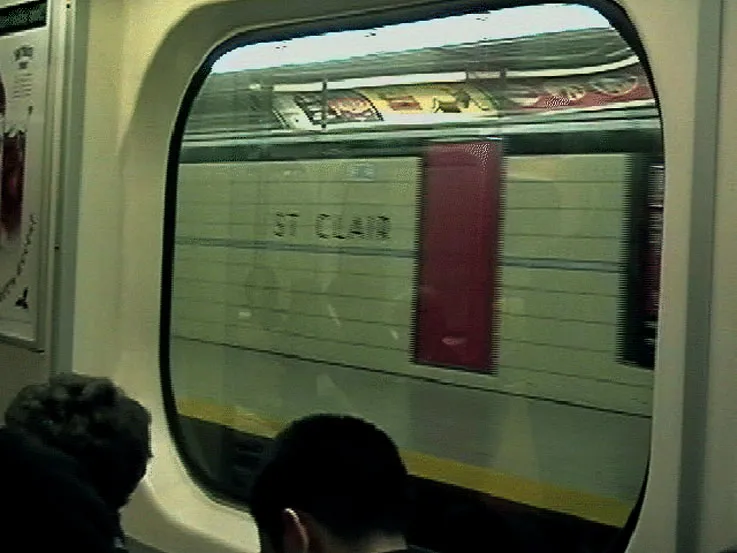
Collaboration avec Lance McLean. TTC, Toronto Transit Commission.
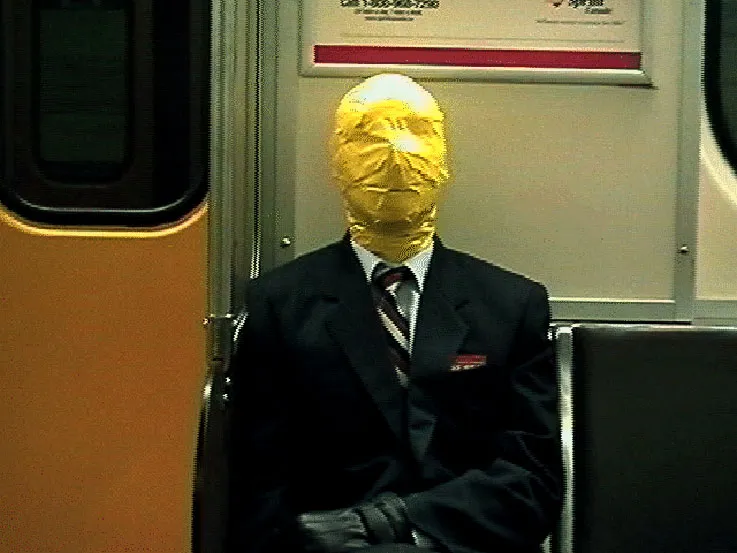
Collaboration avec Lance McLean. TTC, Toronto Transit Commission.
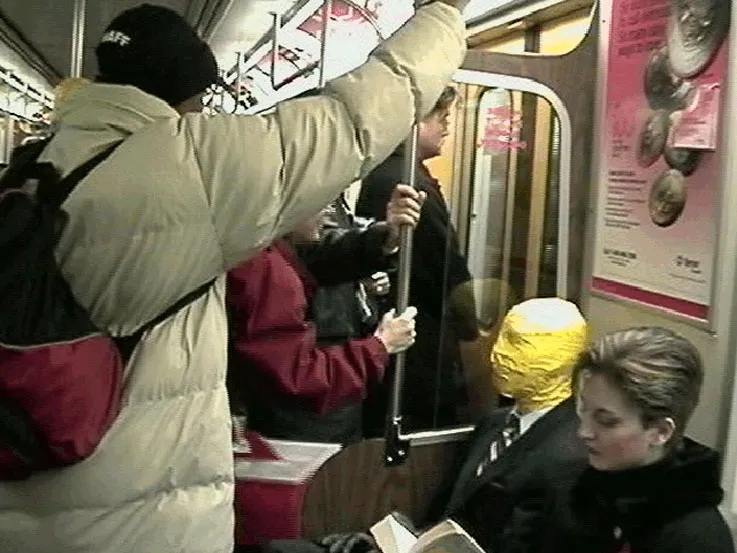
Collaboration avec Lance McLean. TTC, Toronto Transit Commission.
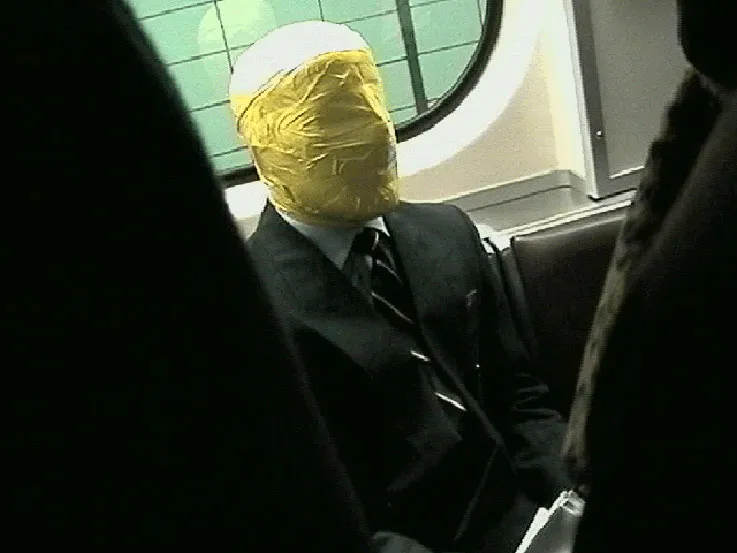
Collaboration avec Lance McLean. TTC, Toronto Transit Commission.
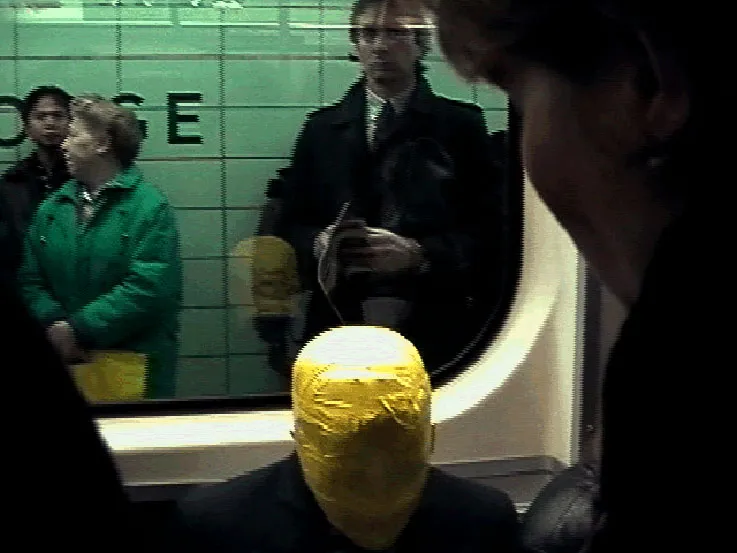
Collaboration avec Lance McLean. TTC, Toronto Transit Commission.
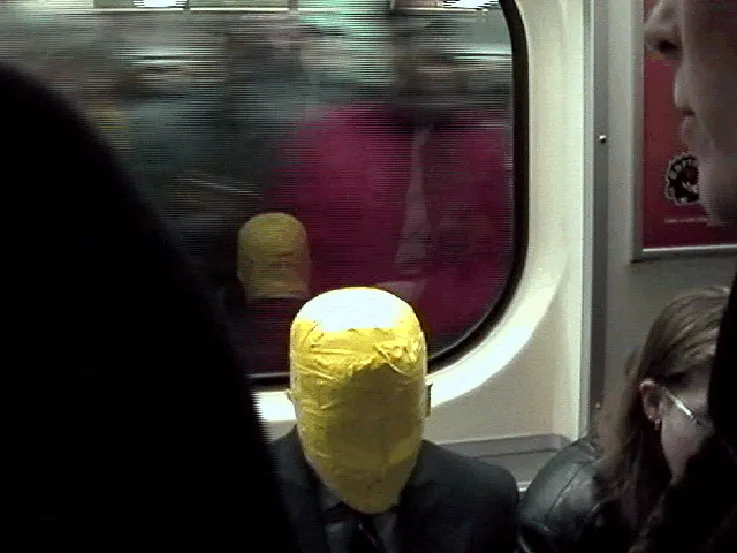
Collaboration avec Lance McLean. TTC, Toronto Transit Commission.
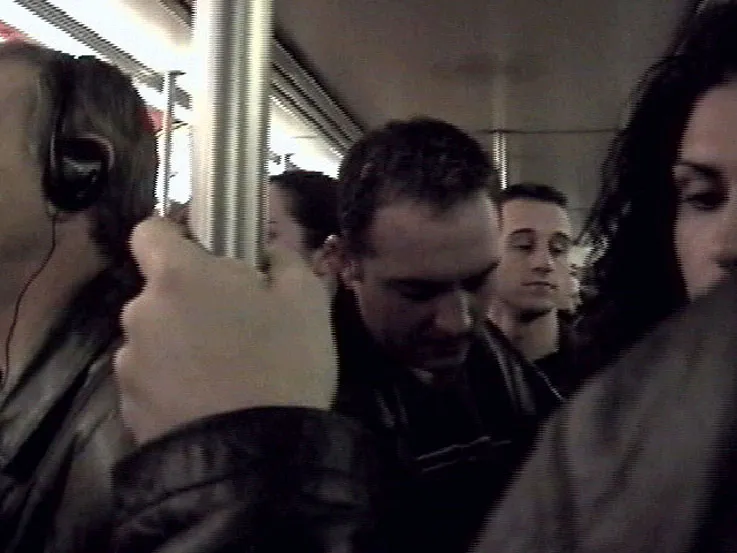
Collaboration avec Lance McLean. TTC, Toronto Transit Commission.
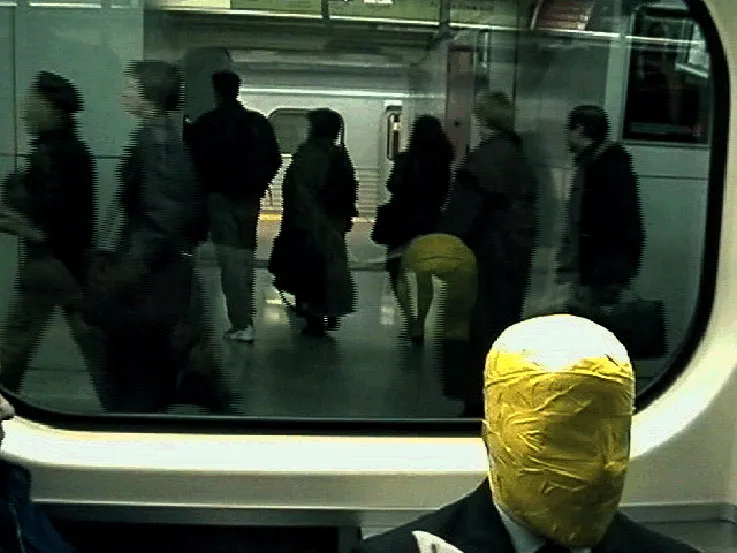
Collaboration avec Lance McLean. TTC, Toronto Transit Commission.
Doctorat en études et pratiques des arts, 2015-2019.
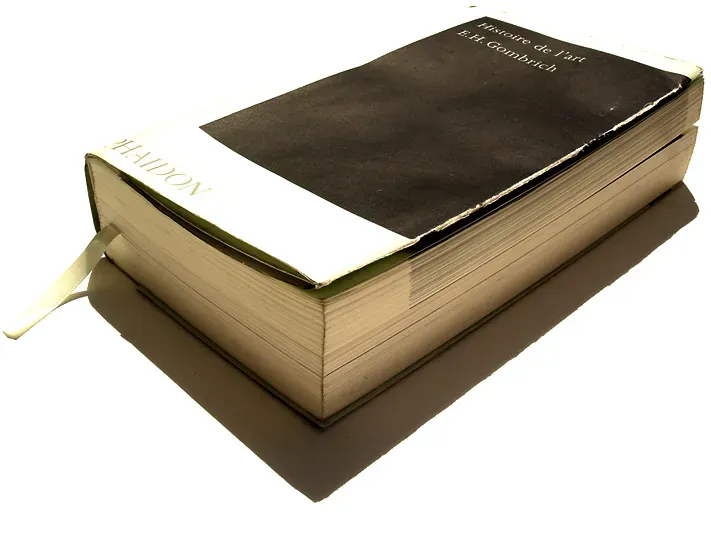
Le commissariat d’exposition comme pratique et médium (HAR462A – Barbara Clausen). Histoire de la critique d’art (HAR4700 – Corinne Streicher). Analyse des œuvres d’art (HAR1410 – Lynn Bannon). Initiation aux techniques et aux instruments de recherches en HAR (HAR1405 – Danielle Doucet). COURS IV - Harald Szeemann MACBA Yves Aupetitallot : "Quand les attitudes deviennent formes", 1969, 22 mars au 27 avril. (résumé audio) Harald Szeemann (1933, né à Berne) – Études en histoire de l’art) Fait du théâtre à la fin de ses études. CONTEXTE Szeemann s’intéresse à la société qui produit cet art. Entre 1966 et 1969, bouquin construit tel un agenda : Lucy Lippard, 1966-1972, Six ans : la dématérialisation de l’objet d’art (Six Years : The Dematerialisation of the Art Object from 1966-1972). Changement important de relation entre l’artiste et le conservateur de musée, progressivement. Culture de la visite de l’atelier de l’artiste. L’artiste va reprendre un certain nombre d’initiatives, devenir son propre organisateur, curateur, d’accrocher lui-même son œuvre, mais sans rupture en évolution lente. Fin d’un processus par la perte d’influence de l’école de Paris (1900-1960), depuis la fin de la deuxième guerre mondiale vers la scène américaine et la scène nord-européenne. Réseau très fort à travers Stedelijk de Eindhoven, Stedelijk Museum d’Amsterdam, Kunsthalle de Berne, Kunsthalle de Balle (Land Art, 1967 – Prospect, Düsseldorf, 1968, Documenta 4 de 1968, association entre historiens afin de retrouver une culture mosellane chère à l’Allemagne). Grandes salles confiées aux américains en fonction de leur œuvre qui s’y prêtaient. Apparition de la scène forte américaine et la consécration définitive des artistes de l’école de Paris qui ont décrochés leurs tableaux lors de la Documenta 4, en 1968, un an avant l’exposition When Attitudes Become Form. Apparition d’une nouvelle génération rapidement. MÉTHODOLOGIE DE TRAVAIL Représentants du groupe Philip Morris avec 150 000 Francs. Exposition consacrée aux artistes qui utilisent la question de la lumière, il en parle à Edy de Wilde 1963 - 1985, annulation, un même événement à la Stedelijk Museum d’Amsterdam car détient ce même sujet. Visites d’ateliers hollandais de Jan Dibbets et Lou Casson. Szeemann, changera l’orientation de l’exposition de Berne par un mythe d’un gazon arrosé de Jan Dibbets. Il s’appuiera sur Dibbets pour créer son carnet d’adresse et élaborer sa liste d’artistes. (1.35 – 34.43). Voyage pour constituer une liste d’artistes. Document de travail qui en somme est annonciateur d’une méthodologie de travail. Il enquête, dont l’importance de l’information comme matériau à partir duquel il va travailler. Génération d’artistes informés sur l’art du 20e siècle. Les archives sont conservées à Tegna (catalogue d’exposition, Stern...). ARTISTES Rencontre par voyage les artistes de l’exposition. Constitution d’un réseau, construit une exposition, il vérifie ses hypothèses, cependant sans trouver sa cohérence, il n’a pas pu la donner cette cohérence, il dit : bizarrement incohérent sur le plan intellectuel. D’articuler une cohérence sur le plan intellectuel, d’articuler une position artistique différente. Il considère l’exposition comme une addition de récits de personnes isolées, d’expériences isolées (mythologies individuelles). Repères, qu’est-ce qui les rassemble ces artistes. Idées dans un jargon difficile, mais possible avec une nouvelle génération de critique dans les années 1970, en des termes, vocabulaire poststructuraliste, post-marxisme, on ne parlera plus d’œuvres, mais de pièces, tout en parlant de production et encore d’accrochage, de peinture, dans un vocabulaire qui appartient encore aux années 1950 et 1960. Sur le plan de l’histoire de l’art, du 20e siècle Les artistes de l’exposition sont liés par une opposition à la géométrie, ils sont contre tout l’art géométrique, représentant le dernier souffle de l’abstraction géométrique et, notamment, en Europe, au cinétisme, de l’OP Art, par cette idée du participatif, d’un public participatif, ces artistes qui mettent en avant le participatif, un dispositif qui se joue soit dans l’espace, soit de la vision. LA GÉOMÉTRIE ET LE PARTICIPATIF Ils sont des dispositifs réfutés par Szeemann, mais ses artistes sont plutôt rattachés à une tradition historique du 20e avec pour pères fondateurs d’origines Marcel Duchamp, Jackson Pollock et le happening et Fluxus. Un positionnement d’artistes où leurs attitudes s’inscrivent la manière dont ils produisent leur œuvres, la manière d’être au monde, pas du tout dans une tradition formaliste qui produisent des objets, des tableaux et des sculptures de l’entre-deux guerres. Il a du mal à qualifier sur le plan théorique, intellectuel, cette génération dans son ensemble. PLAN SOCIÉTAL ET CULTUREL Les artistes baignent dans un climat de l’antiforme sociale. Un moment où on invente l’anti-autorité parental, l’antipsychiatrie, une société occidentale qui se libère, la jeunesse, d’un schéma sociétale, sociale, avec des contraintes qui sont parfaitement identifiées, on invente des contre-modèles, de l’antiforme sociale de la côte ouest américaine, il parle de la mouvance hippy, du mouvement étudiant, du rock et de la drogue. Il a conscience d’une génération nouvelle, il fait un lien avec l’émergence d’artistes et un mouvement sociétal de fond, en occident, aux states et en Europe non-communiste où les frontières de la société sont en train de changer profondément. Par rapport aux artistes traditionnels, ce n’est pas une école, par rapport à la mode du 19e, il n’y pas de capitale de cette génération, une ville, un lieu qui serait la capitale de cette génération. Les artistes restent dans leur village, dans leur ville. Ce n’est pas une école, alors il n’y pas non plus de chef de file incontestable, qui exclurait ses membres comme André Breton pour les surréalistes. On est dans un modèle antiautoritaire. Les artistes sont liés par le désir de faire, de travailler avec un désir de contemplation, l’action personnelle, le moi, des choses très personnelles. Ils sont également réunis autour de l’idée de faire éclater, à l’intérieur du milieu de l’art, la structure classique du monde de l’art que sont l’atelier, la galerie et le musée. Ils les contestent les structure les plus classique du milieu de l’art. DÉFINITIONS DES PRATIQUES ARTISTIQUES Toutes les dominations, le Land Art, l’Arte Povera, l’Antiforme, Concept art, etc. Toutes ces micro-attitudes ont une apparente opposition à la forme et à l’objet. Tous ces artistes ont en commun de vouloir rompre avec la finalité de l’œuvre, l’objectif final, de production d’un objet, d’une œuvre; ce qui compte ce n’est pas l’objet mais de faire l’objet, l’œuvre est supplantée par l’idée de processus et d’interaction entre le matériau et l’œuvre. En 1967, il y a eu un moment, un intérêt avec le matériau, le polyester et la technologie, la tentation du médium. Szeemann indique : « C’est le processus artistique qui dicte le choix du matériau et de la forme de l’œuvre en tant que prolongement du geste, le processus est signature et style ». Les Statements de Laurence Weiner, des phrases sont des descriptions de processus de réalisation de l’objet sculpté. Les artistes fabriquent leurs œuvres sur place, sur le lieu même du musée et Szeemann va les laisser faire. Le musée devient l’atelier de l’artiste. Déplacement important. On est rendu encore là [...]
Maîtrise en histoire de l’art comme production de la connaissance, 2011-2015
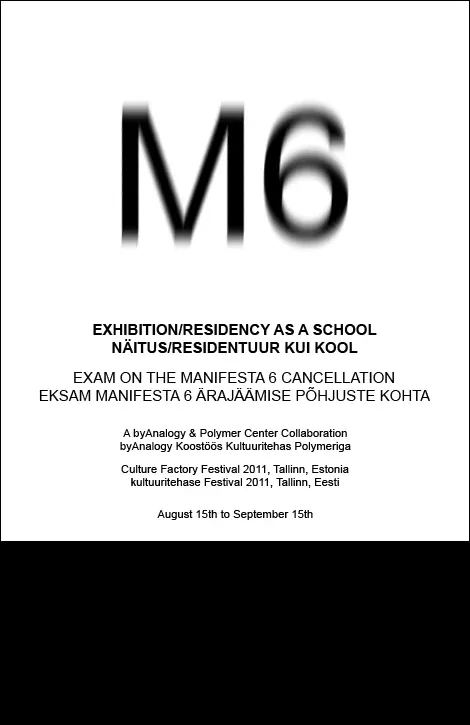
Enquête des 12 textes de la biennale Manifesta 6 de 2006, projet commissaire, Culture Polymer Factory, Tallinn, Estonia
M6 : Exhibition/Residency as A School - The Art Container with The Polymer Residency Program, Tallinn, Estonia, August 15th - September 15th, with a possibile residency from August 15th to November 15th, 2011 "M6" offers a return to the base, the art school. Through its exhibition-residence performance concept, artists will be invited to an international study meeting with Estonia on the aesthetics of resistance, an artist's attitude. This grouping will be done by bringing together the Art Container, mainly Estonians and Russians, some of whom come from outside the country, but live in the places, including their representative in Quebec, Sylvain Breton, known for his participation in the Non Grata art collective between 2005 and 2011 under his pseudonym "Brownhair Blond". Made up of different countries, this coexistence of the alternative and the atypical will be done by examining the pressures that led to the European Biennial Manifesta 6 of 2006 cancellation, in Cyprus. This attitude mixture of the institutional and the atypical, a dear theme and rich in aesthetic content of Harald Szeemann's famous 1969 exhibition in Bern "When Attitudes Become Form," will this time be confronted, of course, between art and texts on the mainstream issue, what they are not, not being part of, but more interesting will make the bitter realization of a local reality much harder, lacking hope, than the reality of guests on this Atlantic side of the world where artists emerge mainly from major subsidies. In other terms, within this art of resistance no submitted dossier will be juried and only the experience of an art university institution will suffice. This willingness exhibition-residency performance art form in the Art Container, in an outdated, but known Polymer Factory, will be in production rupture convention with gallery and museum well organized, subsidized because economy wise structured. The exam will propose then a re-reading of the said biennial documentation, but in the East occupation, and again, by this rubbing of the vacuum for one, the contemporary for the other, an identity of the professionalization for some or success and abandonment for the other. Members of the Polymer Centre & Art Kontainer: Erik Alalooga, Sandra Jõgeva & Tanel Saar, Tallinn, Estonia. Confirmed participations: Gabriela Golder (Buenos Aires), André Éric Létourneau (Montréal), Jessica Maccormack (Montréal), Lance McLean (Edmonton), Cendrillon Bélanger (Paris), Patrick Bérubé (Montréal), Sylvain Breton (Montréal), Jérémie Carvalho (Montréal), Sophie Castonguay (Montréal), Doyon/Demers (Québec), Xavier Demoulin (Paris), Anne-Marie Dumouchel (Montréal), Soleda Sánchez Goldar (Buenos Aires), Sandra Jõgeva (Tallinn), Simon Lafreniere (Montréal), Wen Lee (Singapore), Alain Lefebvre (Cornwall), Fernanda Mejía (Bogota), Orion Maxted (London), Frédéric Saia (Laurentides), Tanel Saar (Tallinn), Dominique Sirois (Montréal), Julie Andrée T (Montréal). Program: August 1–10, 2011, arrival (opening period, preparations); August 12, 2011, 10 a.m., the M6 exam (12 questions on the cancellation of Manifesta 6); August 15 – September 15, 2011, the exhibition (only the artists who pass the exam) and workshops, seminars and performances (all participating artists); August 20, the lecture Aesthetics of Resistance (Sylvain Breton); August 15 – end of November 2011, an extended residency (voluntary, with the Art Container’s approval). The 12 texts from Manifesta 6 (Notes for an Art School): Mai Abu ElDahab, On How to Fall With Grace—or Fall Flat on Your Face; Anton Vidokle, Exhibition as School in a Divided City; Florian Waldvogel, Each One Teach One: Adorno’s “Thinking is action, theory is a form of practice”; Babak Afrassiabi & Nasrin Tabatabai, Practice of Indecisiveness; Julie Ault & Martin Beck, Drawing Out & Leading Forth; Liam Gillick, Denial & Function: A history of disengagement in relation to teaching; Walid Sadek, A Room With a Conversation in the Middle; Boris Groys & Anton Vidokle, Art Beyond the Art Market; Jan Verwoert, School’s Out!-?; Olaf Metzel, SayNoProduction; Haris Pellapaisiotis, Speaking Thoughts: On an Art School; Tobias Rehberger and Mai Abu ElDahab, Kitsch, Destruction & Education. Production, conception and realisation: Sylvain Breton, byAnalogy.org. Translations: Charlotte de Celles (English to French) and Adriana Palanca (French to English). Partner: Kunstikonteiner, Kultuuritehas Polymer, Tallinn, an artist-run centre, supported by the Estonian Ministry of Culture and the Cultural Endowment of Estonia. With still no money or fund for this professional event nor for artists.
One fundamental principle of contemporary art is originality, and the relationship between the original and originality lies at the heart of these reprises. Some works summon a déjà-vu from the eighteenth century, while others operate as agencies of possibility and impossibility, confronting the modern condition of artistic representation. In continuity with the conceptual project, the paintings in the series Les Orphelines, through the inherited tradition of oil painting and its logic of play, call upon the recurrent visuality of a permanent continuum past-perspective of the present. Yet the object still reveals a performativity of its own.
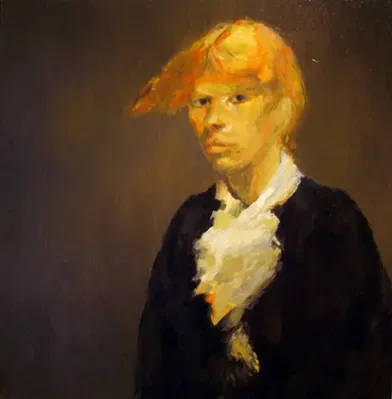
Les Orphelines from De personne à personne Series (From Nobody to Nobody Series).
One fundamental principle of contemporary art is originality, and the relationship between the original and originality lies at the heart of these reprises. Some works summon a déjà-vu from the eighteenth century, while others operate as agencies of possibility and impossibility, confronting the modern condition of artistic representation. In continuity with the conceptual project, the paintings in the series Les Orphelines, through the inherited tradition of oil painting and its logic of play, call upon the recurrent visuality of a permanent continuum past-perspective of the present. Yet the object still reveals a performativity of its own. Les Orphelines (Carmen la rousse, Lautrec), 2006. “États”, Galerie B-312, Montreal.
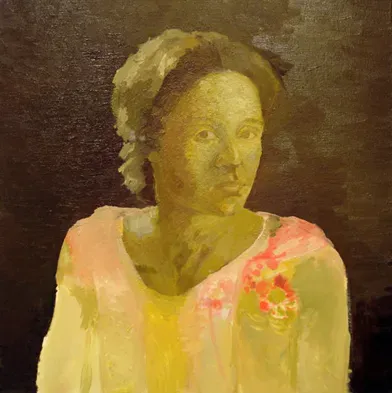
Les Orphelines from De personne à personne Series (From Nobody to Nobody Series).
One fundamental principle of contemporary art is originality, and the relationship between the original and originality lies at the heart of these reprises. Some works summon a déjà-vu from the eighteenth century, while others operate as agencies of possibility and impossibility, confronting the modern condition of artistic representation. In continuity with the conceptual project, the paintings in the series Les Orphelines, through the inherited tradition of oil painting and its logic of play, call upon the recurrent visuality of a permanent continuum past-perspective of the present. Yet the object still reveals a performativity of its own. Les Orphelines (anonyme, Breton), 2006. “États”, Galerie B-312, Montreal.
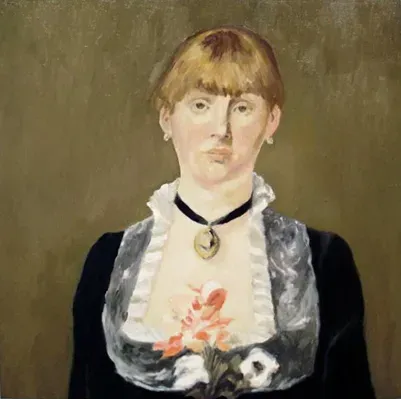
Les Orphelines from De personne à personne Series (From Nobody to Nobody Series).
One fundamental principle of contemporary art is originality, and the relationship between the original and originality lies at the heart of these reprises. Some works summon a déjà-vu from the eighteenth century, while others operate as agencies of possibility and impossibility, confronting the modern condition of artistic representation. In continuity with the conceptual project, the paintings in the series Les Orphelines, through the inherited tradition of oil painting and its logic of play, call upon the recurrent visuality of a permanent continuum past-perspective of the present. Yet the object still reveals a performativity of its own. Les Orphelines (anonyme, Manet), 2006. “États”, Galerie B-312, Montreal.
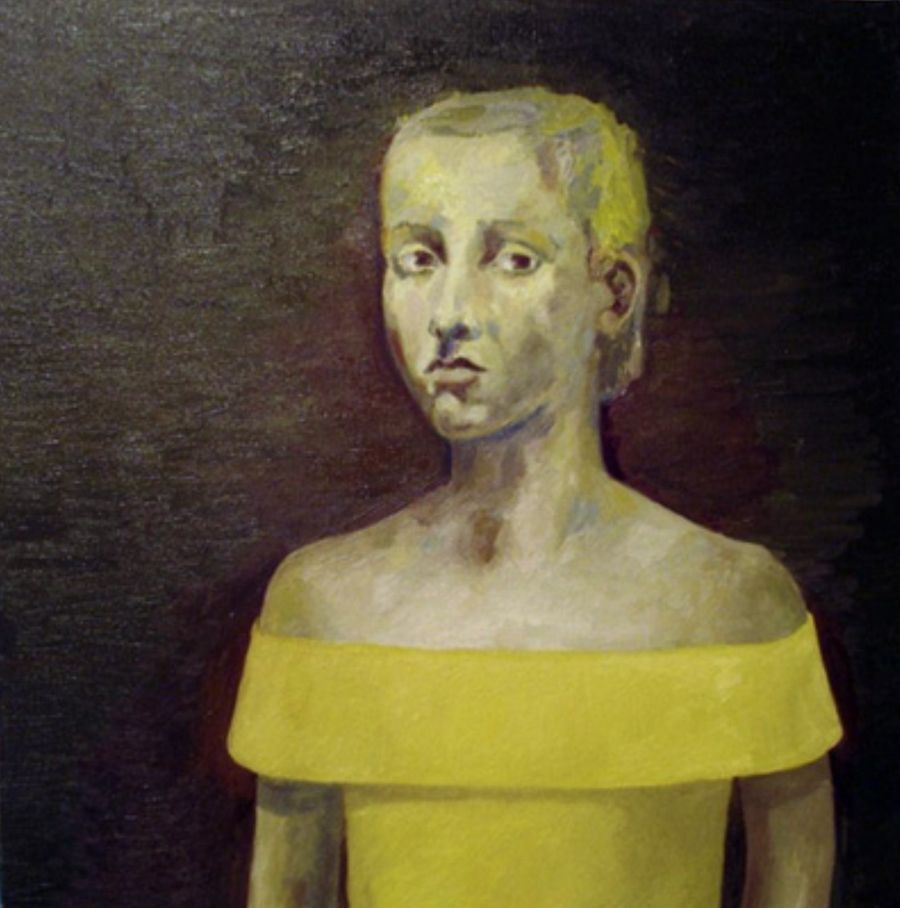
Les Orphelines from De personne à personne Series (From Nobody to Nobody Series).
One fundamental principle of contemporary art is originality, and the relationship between the original and originality lies at the heart of these reprises. Some works summon a déjà-vu from the eighteenth century, while others operate as agencies of possibility and impossibility, confronting the modern condition of artistic representation. In continuity with the conceptual project, the paintings in the series Les Orphelines, through the inherited tradition of oil painting and its logic of play, call upon the recurrent visuality of a permanent continuum past-perspective of the present. Yet the object still reveals a performativity of its own. In Thérèse, the figure faces the viewer with a fragile and unsettling directness. The yellow form across the body interrupts the portrait, acting less as clothing than as a formal barrier between image, subject, and gaze. Through this restraint, the painting distances itself from the voyeuristic tensions attached to Balthus and turns the reprise toward the ethics of representation. Within Les Orphelines, Thérèse becomes an image of confrontation: not the repetition of an inherited figure, but the exposure of the gaze that continues to produce her.
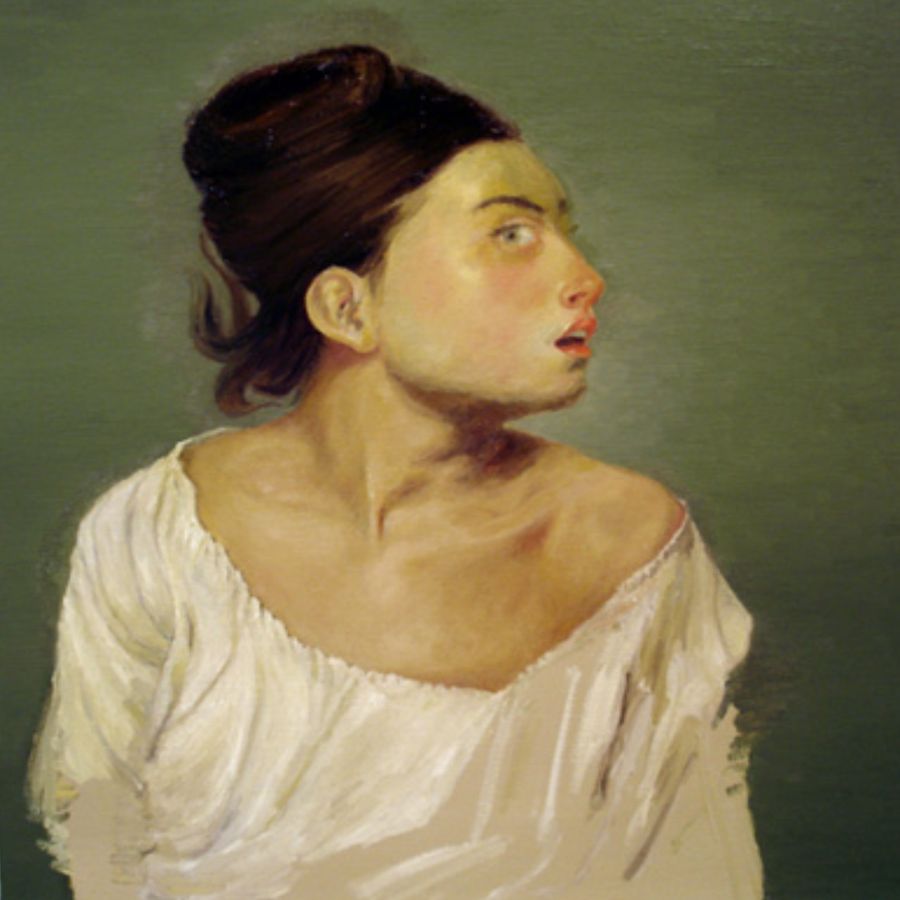
Les Orphelines from De personne à personne Series (From Nobody to Nobody Series).
One fundamental principle of contemporary art is originality, and the relationship between the original and originality lies at the heart of these reprises. Some works summon a déjà-vu from the eighteenth century, while others operate as agencies of possibility and impossibility, confronting the modern condition of artistic representation. In continuity with the conceptual project, the paintings in the series Les Orphelines, through the inherited tradition of oil painting and its logic of play, call upon the recurrent visuality of a permanent continuum past-perspective of the present. Yet the object still reveals a performativity of its own. In L'Orpheline, the figure appears caught between grief and apprehension, her gaze directed toward an event that remains outside the image. The painting inherits the Romantic charge of Delacroix's orphan, yet repositions it within a contemporary structure of repetition, incompletion, and return. The looseness of the painted surface keeps the figure in a state of becoming, as if the image were still searching for the conditions of its own appearance. Within Les Orphelines, L'Orpheline is not only a reprise of loss; it is the persistence of historical emotion after its original world has disappeared.
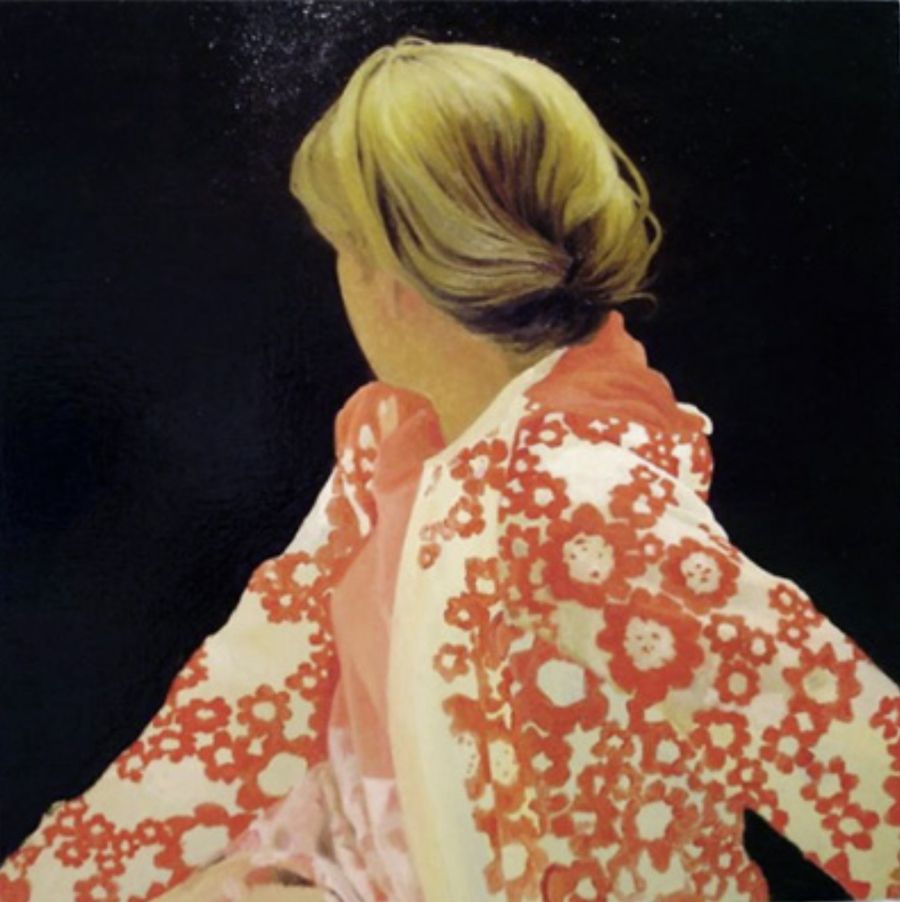
Les Orphelines from De personne à personne Series (From Nobody to Nobody Series).
One fundamental principle of contemporary art is originality, and the relationship between the original and originality lies at the heart of these reprises. Some works summon a déjà-vu from the eighteenth century, while others operate as agencies of possibility and impossibility, confronting the modern condition of artistic representation. In continuity with the conceptual project, the paintings in the series Les Orphelines, through the inherited tradition of oil painting and its logic of play, call upon the recurrent visuality of a permanent continuum past-perspective of the present. Yet the object still reveals a performativity of its own. In Betty, the figure turns away from the viewer, refusing the direct encounter traditionally promised by portraiture. The floral surface, at once intimate and ornamental, becomes a screen through which memory, reproduction, and distance are held together. Rather than revealing a subject, the painting stages the impossibility of possession: the image remains present, yet withheld. Within Les Orphelines, Betty becomes an orphaned image of looking itself, suspended between familial intimacy, painterly repetition, and the modern condition of representation.