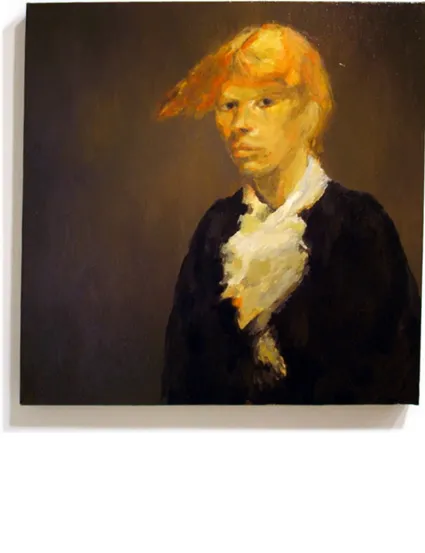
Oil paintings
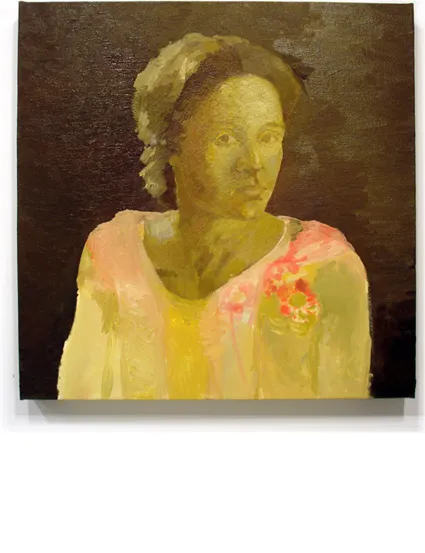
Les Orphelines
Intuitif
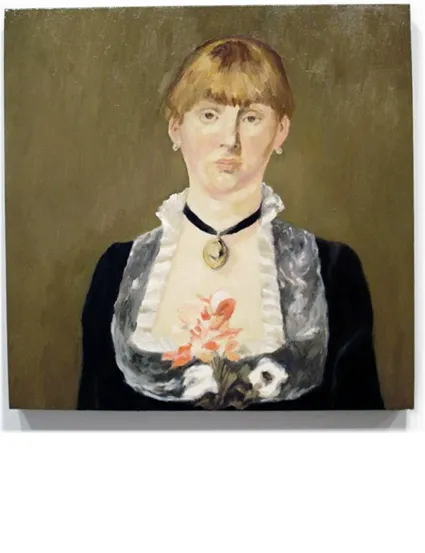
Les Orphelines
Manet
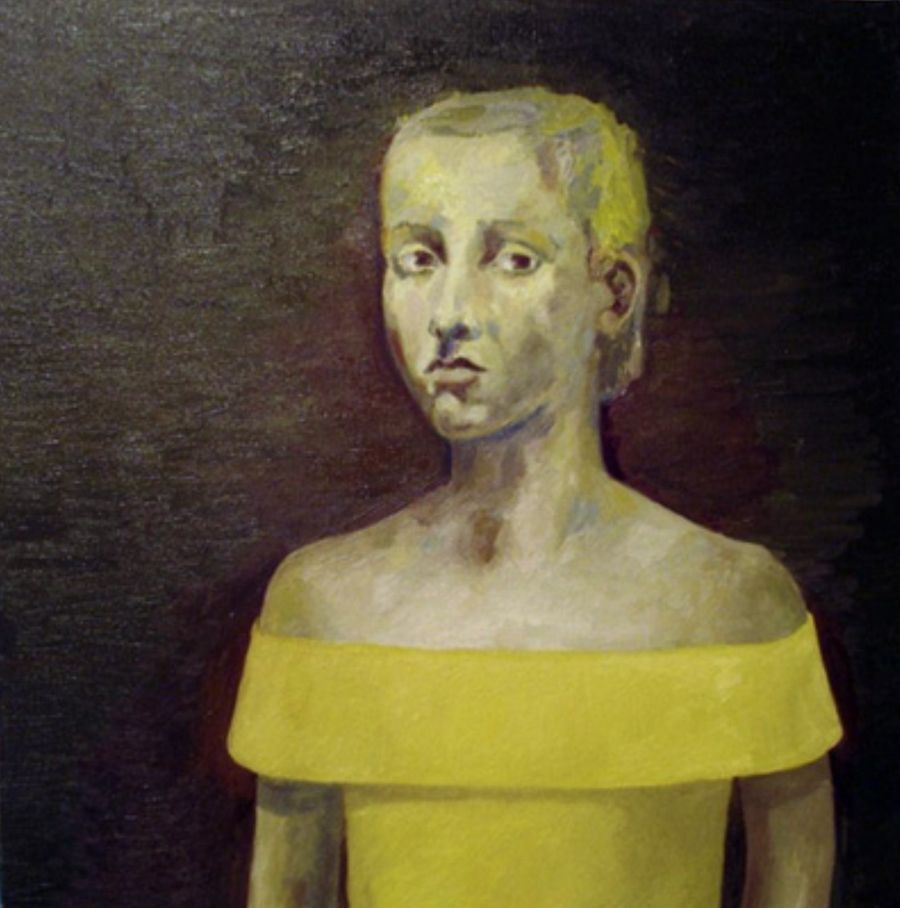
Les Orphelines
Thérèse
Les Orphelines from De personne à personne Series (From Nobody to Nobody Series).
One fundamental principle of contemporary art is originality, and the relationship between the original and originality lies at the heart of these reprises. Some works summon a déjà-vu from the eighteenth century, while others operate as agencies of possibility and impossibility, confronting the modern condition of artistic representation. In continuity with the conceptual project, the paintings in the series Les Orphelines, through the inherited tradition of oil painting and its logic of play, call upon the recurrent visuality of a permanent continuum past-perspective of the present. Yet the object still reveals a performativity of its own. In Thérèse, the figure faces the viewer with a fragile and unsettling directness. The yellow form across the body interrupts the portrait, acting less as clothing than as a formal barrier between image, subject, and gaze. Through this restraint, the painting distances itself from the voyeuristic tensions attached to Balthus and turns the reprise toward the ethics of representation. Within Les Orphelines, Thérèse becomes an image of confrontation: not the repetition of an inherited figure, but the exposure of the gaze that continues to produce her.
Les Orphelines
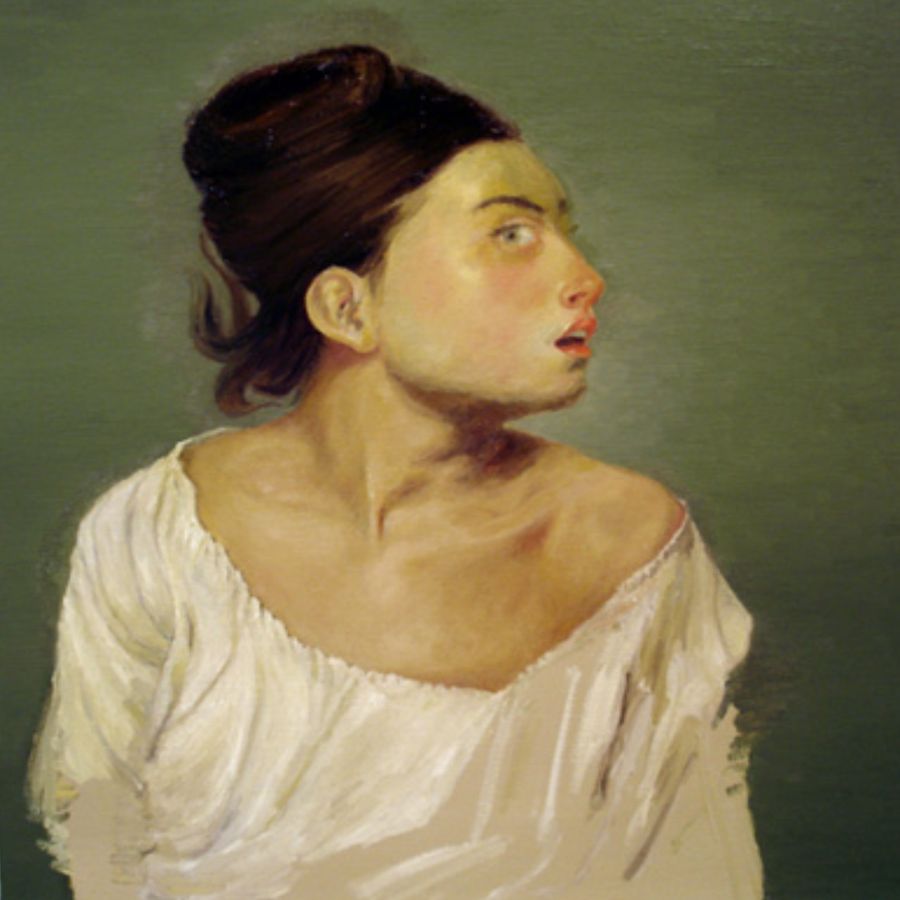
L'Orpheline
Les Orphelines from De personne à personne Series (From Nobody to Nobody Series).
One fundamental principle of contemporary art is originality, and the relationship between the original and originality lies at the heart of these reprises. Some works summon a déjà-vu from the eighteenth century, while others operate as agencies of possibility and impossibility, confronting the modern condition of artistic representation. In continuity with the conceptual project, the paintings in the series Les Orphelines, through the inherited tradition of oil painting and its logic of play, call upon the recurrent visuality of a permanent continuum past-perspective of the present. Yet the object still reveals a performativity of its own. In L'Orpheline, the figure appears caught between grief and apprehension, her gaze directed toward an event that remains outside the image. The painting inherits the Romantic charge of Delacroix's orphan, yet repositions it within a contemporary structure of repetition, incompletion, and return. The looseness of the painted surface keeps the figure in a state of becoming, as if the image were still searching for the conditions of its own appearance. Within Les Orphelines, L'Orpheline is not only a reprise of loss; it is the persistence of historical emotion after its original world has disappeared.
Les Orphelines
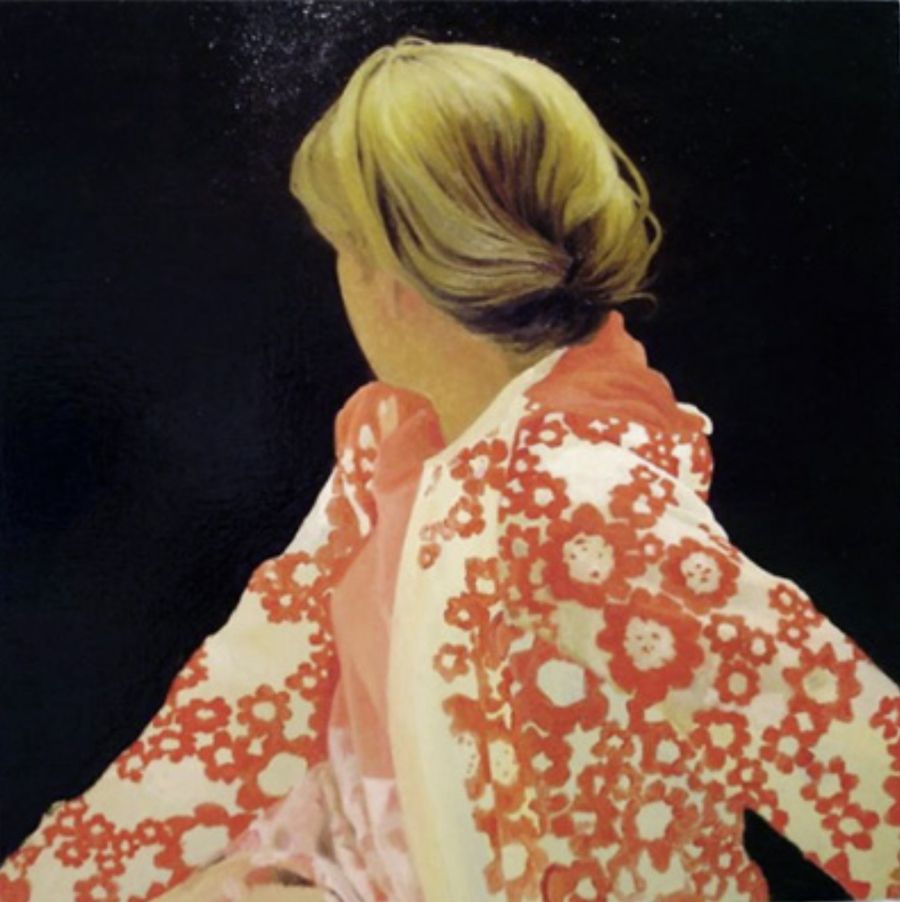
Betty
Les Orphelines from De personne à personne Series (From Nobody to Nobody Series).
One fundamental principle of contemporary art is originality, and the relationship between the original and originality lies at the heart of these reprises. Some works summon a déjà-vu from the eighteenth century, while others operate as agencies of possibility and impossibility, confronting the modern condition of artistic representation. In continuity with the conceptual project, the paintings in the series Les Orphelines, through the inherited tradition of oil painting and its logic of play, call upon the recurrent visuality of a permanent continuum past-perspective of the present. Yet the object still reveals a performativity of its own. In Betty, the figure turns away from the viewer, refusing the direct encounter traditionally promised by portraiture. The floral surface, at once intimate and ornamental, becomes a screen through which memory, reproduction, and distance are held together. Rather than revealing a subject, the painting stages the impossibility of possession: the image remains present, yet withheld. Within Les Orphelines, Betty becomes an orphaned image of looking itself, suspended between familial intimacy, painterly repetition, and the modern condition of representation.