Essay · Reproduction & Authorship
Safe Place
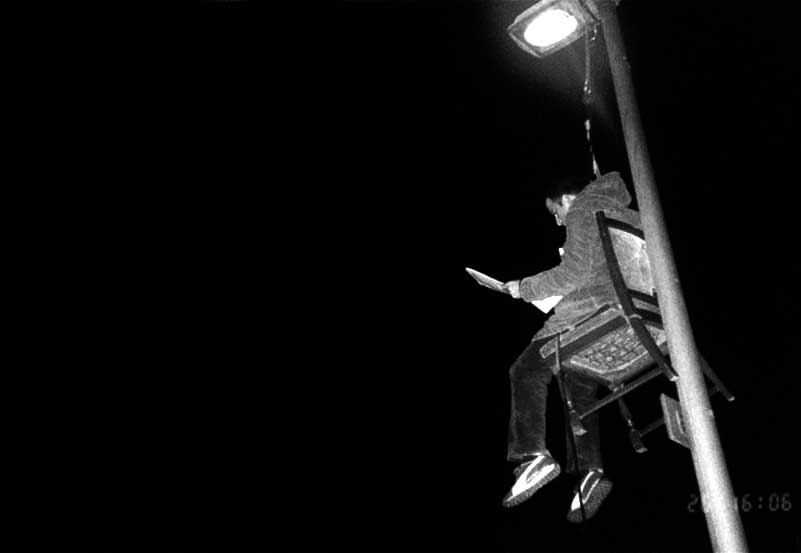
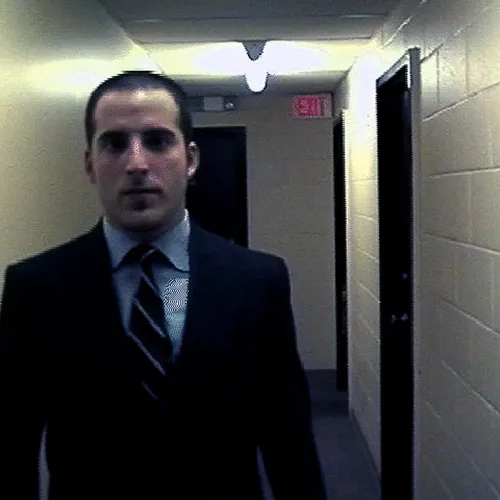
Carol Bruno Art Collective in action in East Berlin using street lights.
Safe Place is a performance-based work rooted in the collective action of the Carol Bruno Art Collective in East Berlin. The work uses the urban situation as a temporary stage, where street lights, movement, and shared presence become the material of the piece.
Rather than presenting safety as a fixed location, the work treats it as a fragile condition produced between bodies, public space, and the social imagination. The city becomes both frame and participant, holding the performance inside a field of visibility, exposure, and temporary protection.
Within the broader practice, Safe Place belongs to an early vocabulary of displacement, collaboration, and situated action. It proposes the artwork as an event that appears through use, encounter, and the unstable possibility of inhabiting a place otherwise.
Replication as Method
Mechanical repetition does not erase authorship; it relocates it. The copy is not a mistake but a lens — a way to see how institutions decide what counts as original.
Appropriation in this archive is not plagiarism dressed as provocation. It is a disciplined rehearsal: same contours, different pressure, so the viewer must name what changed.
When Attitudes Become Form
Szeemann's curatorial wager still holds: exhibitions are arguments in space. Here, layout proportions and typographic scale carry part of that argument before any single image loads.
The gateway you passed through is part of the work — access, membership, and repetition of familiar flows are materials, not neutral plumbing.
The Original in Postmodern Systems
Postmodern art systems trade in signatures, editions, and provenance. To repeat a form is to test whether meaning travels with the object or with the network that certifies it.
If the original is a position rather than a timestamp, then every return to the same image is a new negotiation — not nostalgia, but inventory.